
When a crown is the right choice
Crowns are typically recommended after a root canal, when a tooth has a large fracture, or when a previous restoration has failed. They restore the full chewing surface and seal the underlying tooth from new decay.
When a tooth is compromised by decay, fracture, or extensive wear, a conservative filling may not restore strength adequately. Today's all-ceramic crowns rebuild and protect teeth while preserving as much natural structure as possible.
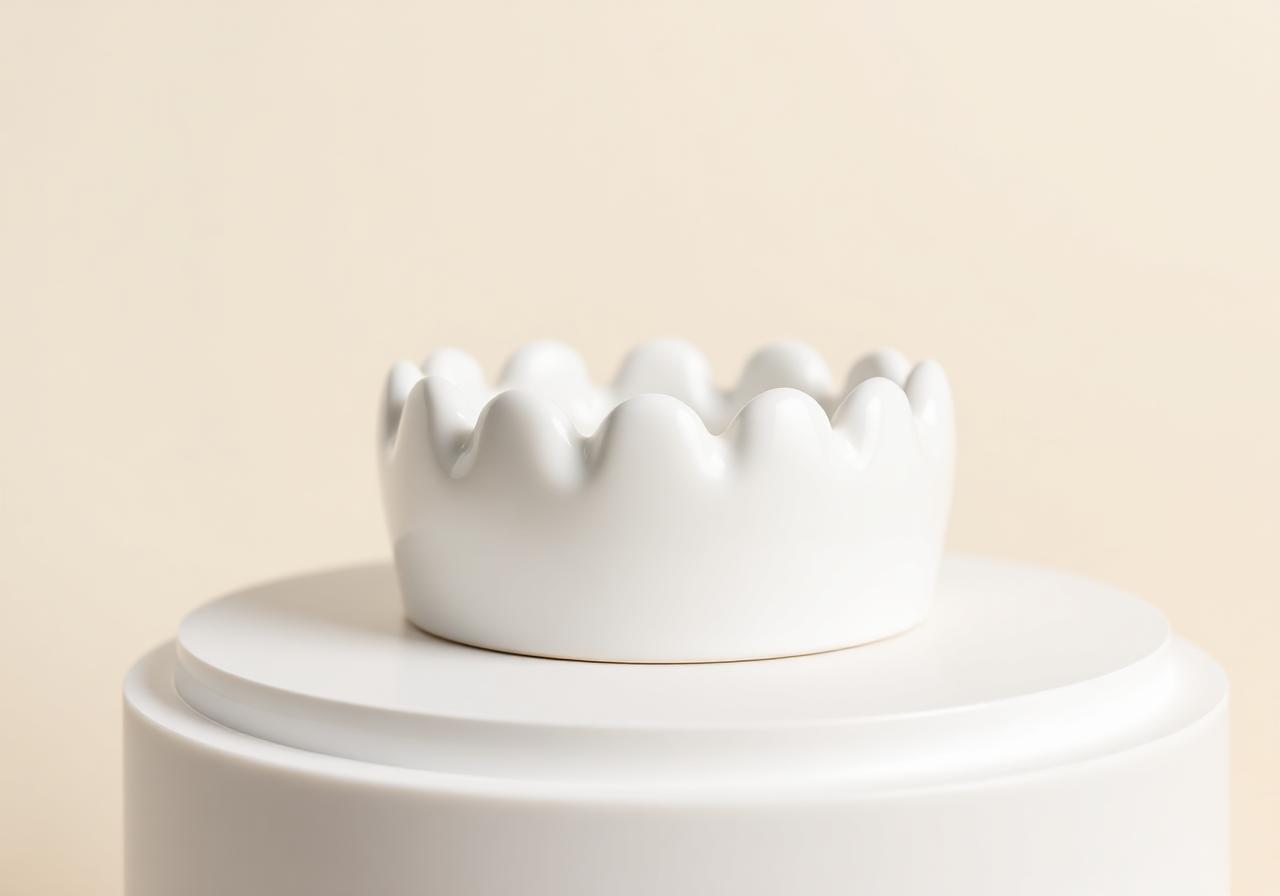
Crowns are typically recommended after a root canal, when a tooth has a large fracture, or when a previous restoration has failed. They restore the full chewing surface and seal the underlying tooth from new decay.
Today's all-ceramic crowns approach the strength of metal-based restorations without the visible gumline 'shadow' that older porcelain-fused-to-metal crowns can show — especially as gums recede over time.
A filling replaces missing tooth structure from the inside. It works well when enough healthy wall remains around it. Once decay, a crack, or a large older restoration has taken away too much of that wall, the remaining tooth flexes when you chew and eventually splits.
A crown works the other way around: it covers the tooth and holds it together, so chewing force is carried by the crown rather than trying to wedge the tooth apart. That is why it is the standard recommendation after a root canal and after a significant fracture.
We start with imaging and an exam to confirm a crown is the right answer, and to check that the tooth beneath is sound enough to keep. The tooth is then shaped, scanned digitally rather than with impression putty, and the crown is made to match your neighboring teeth in shade and shape.
You will know whether your case is one visit or two before we begin, along with what the temporary phase involves if there is one.
For a front tooth, translucency and shade matter most, and layered all-ceramic materials read as natural. For a molar, or for anyone who clenches or grinds, strength comes first and zirconia is usually the better choice.
Older porcelain-fused-to-metal crowns are strong but can show a dark line at the gum as tissue recedes. Modern metal-free materials avoid that, which is why most crowns we place today are all-ceramic or zirconia.
The crown itself does not decay, but the tooth and the margin where the two meet still can. Brushing, cleaning between the teeth daily, and regular hygiene visits are what determine longevity.
If you grind your teeth, a nightguard protects the crown from the forces that chip ceramic. We check the bite at every visit, because a crown carrying slightly too much force is the most common reason one fails early.
Crowns are quoted per tooth, and the fee depends on the material and whether any preparatory treatment is needed first. You receive it in writing before scheduling.
Although we are not in network with any dental plans, we will submit claims to your insurance electronically so you can maximize your out-of-network benefits. CareCredit is available for qualified applicants.
| Filling | Onlay | Crown | |
|---|---|---|---|
| Covers | Part of the inside | One or more cusps | The whole tooth |
| Best when | Most of the tooth is sound | Moderate structure is missing | The tooth needs holding together |
| Protects against fracture | Minimally | Partly | Fully |
| Typical visits | One | One to two | One to two |
A general comparison. How much healthy tooth remains decides which is appropriate.
Preparation, seating, and any bite adjustment all happen at our Lake Sumter Landing office, so a two-visit crown means two short trips rather than two long ones.
Seasonal residents: tell us your travel dates at the first visit and we will plan the preparation and seating inside the weeks you are in town rather than leaving you in a temporary.
Digital imaging confirms the right approach.
Comfortable preparation and digital impressions.
Precise seating and final adjustments.
Important: Information on this page is provided for general educational purposes only and is not dental or medical advice. Individual results vary and outcomes are not guaranteed. A clinical evaluation is required to determine whether any treatment is appropriate for you.
For urgent dental concerns, call our office directly at (352) 775-4515. For life-threatening emergencies, call 911. See our Website Terms of Use and Privacy Policy.
Request an appointment online or call our team — we will help you find a time that works and answer any questions before your visit.